A Few Notable Cases
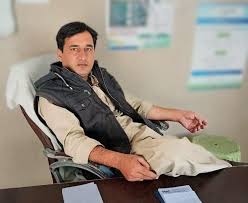
Dr. Shahnawaz Kumbhar, a 36-year-old physician in Umerkot, Sindh, was falsely accused of blasphemy after a local cleric claimed his social media posts insulted the Prophet Muhammad, sparking mob violence and his dismissal from the civil hospital. Fleeing to Karachi, he surrendered to police but was abducted and extrajudicially killed in a staged encounter on September 17, 2024, exposing flaws in Pakistan’s blasphemy enforcement. Read More

Imran Khan, former Prime Minister of Pakistan, faced blasphemy charges in May 2022 after his supporters allegedly chanted abusive slogans against PM Shehbaz Sharif at the Prophet’s Mosque in Medina, Saudi Arabia, desecrating the sacred site. Critics condemned the case as political victimization, highlighting risks of mob violence under Pakistan’s draconian laws, though no conviction has followed. Read More

Priyantha Kumara Diyawadana, a 49-year-old Sri Lankan factory manager in Sialkot, Pakistan, was lynched by a mob of over 800 workers on December 3, 2021, after false accusations that he tore down posters bearing Quranic verses, constituting blasphemy. The mob beat him to death and burned his body, but in April 2022, a court sentenced six perpetrators to death and dozens more to prison terms, condemning the vigilante violence under Pakistan’s controversial laws. Read More
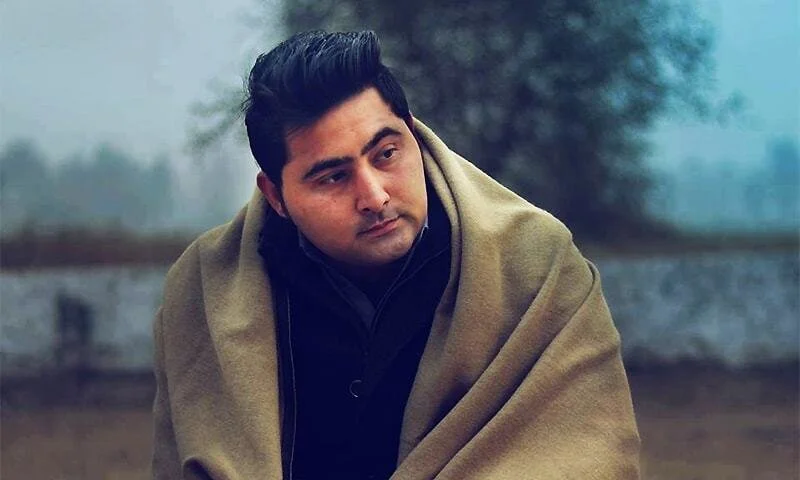
Mashal Khan, a 23-year-old journalism student at Abdul Wali Khan University in Mardan, Pakistan, was brutally lynched by a mob of fellow students on April 13, 2017, over false allegations of posting blasphemous content online. Despite investigations finding no evidence of blasphemy, his killing highlighted the dangers of mob vigilantism and misuse of Pakistan’s blasphemy laws. Read More

Ayaz Nizami (pseudonym for Abdul Waheed), a Pakistani blogger and vice president of the Atheist & Agnostic Alliance, was arrested on March 24, 2017, by the FIA for allegedly posting blasphemous content online via fake profiles on social media. In a landmark ruling, an Islamabad anti-terrorism court sentenced him to death in January 2021—the first such conviction for cyberspace blasphemy—amid international outcry over Pakistan’s misuse of these laws against freethinkers. Read More
Taimoor Raza, a 30-year-old Shia Muslim from Bahawalpur, Punjab, was arrested in April 2016 after allegedly posting derogatory remarks against Prophet Muhammad, his wives, and companions on Facebook and WhatsApp during an online debate with a counter-terrorism official. In a landmark ruling, an anti-terrorism court sentenced him to death on June 10, 2017—the first such penalty for social media blasphemy—highlighting Pakistan’s escalating crackdown on online dissent amid risks of sectarian violence. Read More
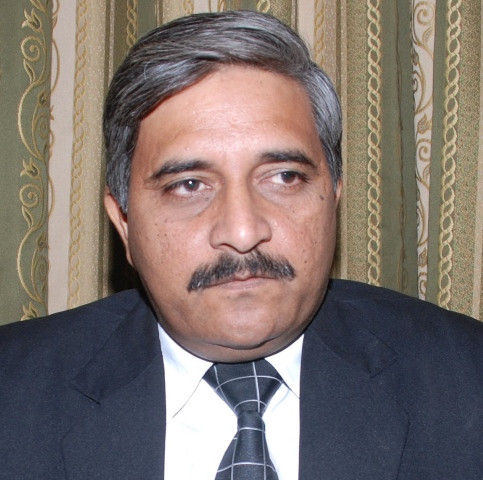
Rashid Rehman, a prominent Pakistani human rights lawyer and HRCP coordinator, was assassinated on May 7, 2014, in his Multan office by gunmen posing as clients, just weeks after receiving open death threats in court from opposing lawyers. He had bravely defended university lecturer Junaid Hafeez, accused of blasphemy for alleged derogatory social media posts, exposing the lethal perils faced by advocates under Pakistan’s draconian laws. Read More

Junaid Hafeez, a university lecturer in Multan, Pakistan, was arrested in March 2013 and accused of blasphemy for allegedly posting derogatory comments about the Prophet Muhammad on Facebook and making insulting remarks during lectures. Sentenced to death in December 2019 after a protracted trial marred by threats, judicial delays, and the 2014 murder of his lawyer Rashid Rehman, he remains in solitary confinement on death row amid global calls for his release. Read More

Shahbaz Bhatti, Pakistan’s Federal Minister for Minorities Affairs and the country’s only Christian cabinet member, was assassinated by Pakistani Taliban gunmen on March 2, 2011, outside his mother’s home in Islamabad for vocally opposing the nation’s draconian blasphemy laws. His killing, the second such high-profile murder in two months after Punjab Governor Salman Taseer’s death, stemmed from his advocacy for Asia Bibi’s release and broader calls for legal reform amid threats from extremists. Read More
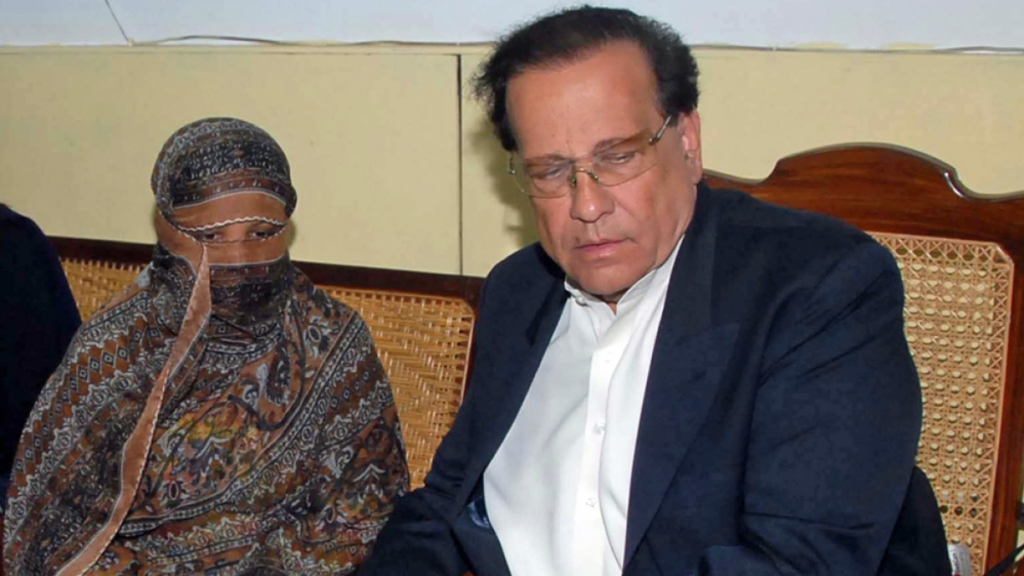
Salman Taseer, Punjab’s governor and vocal critic of Pakistan’s draconian blasphemy laws, was assassinated on January 4, 2011, in Islamabad by his bodyguard Mumtaz Qadri, who fired 28 bullets over Taseer’s support for pardoning Asia Bibi, a Christian woman convicted of blasphemy. Qadri, hailed as a hero by extremists and executed in 2016, exposed the lethal intolerance fueling vigilante justice and the misuse of these laws against reformers. Read More
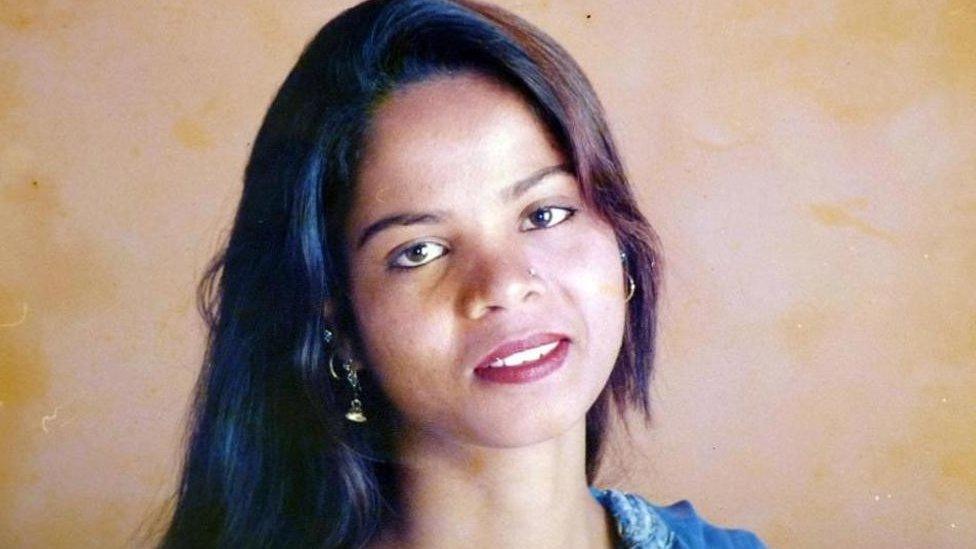
Asia Bibi (Asia Noreen), a Christian farm laborer in Punjab, Pakistan, was arrested in 2009 and sentenced to death in 2010 for allegedly insulting the Prophet Muhammad during a water dispute with Muslim colleagues, a claim she denied amid weak evidence. Her case ignited global outcry, led to the assassinations of Punjab Governor Salman Taseer and Minister Shahbaz Bhatti for defending her, but ended with Supreme Court acquittal in October 2018, sparking riots; she fled to Canada in 2019 for asylum. Read More
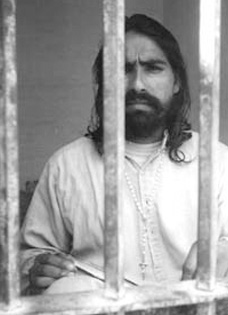
Ayub Masih, a 26-year-old Christian from Sahiwal, Punjab, was arrested in October 1996 and sentenced to death in April 1998 for allegedly telling a Muslim neighbor to read Salman Rushdie’s The Satanic Verses and claiming Christianity was superior, remarks he denied making. The accusation stemmed from a land dispute, where the complainant seized Masih’s property post-arrest, highlighting misuse of blasphemy laws. Read More
Arif Iqbal Bhatti, a Lahore High Court judge in Pakistan, was assassinated on October 17, 1997, in his chambers by a gunman who claimed the killing was retribution for Bhatti’s role in acquitting two Christian teenagers, Salamat and Rehmat Masih, of blasphemy charges in a 1995 verdict. The case, involving false accusations of defacing a mosque, underscored the deadly backlash against judicial impartiality under Pakistan’s blasphemy laws, with the acquittal following the in-court murder of a third accused. Read More
Salamat Masih, Rehmat Masih, and Manzoor Masih, Christians from Gujranwala, Pakistan, were accused in 1993 of writing blasphemous graffiti on a mosque wall, arrested, and faced death penalty demands amid a land dispute-driven false accusation. In 1995, Manzoor was killed in court, but Salamat and Rehmat were acquitted by Judge Arif Iqbal Bhatti, who was later assassinated in 1997 for the ruling, highlighting the lethal misuse of blasphemy laws. Read More